

Selective Soldering Defined
Soldering is the process by which two or more items are joined together via melting and inserting a filler metal, i.e., solder, into the joint. This procedure is usually conducted after the surface mount reflow operation. Originally, soldering those hard to access areas of circuit boards and assemblies was carried out by hand operators using soldering irons. Selective soldering has become a recognised design process within the PCB manufacturing industry.
The Benefits of Selective Soldering
Selective soldering offers a significantly lower cost approach, over conventional wave soldering, when soldering through-hole components on mixed technology PCBs. It offers the ability to eliminate the need for costly wave solder pallets when using the traditional masking method. Furthermore, the quick interchange of solder baths e.g., eutectic to lead-free and vice versa, helps reduce production costs. Removing the need for hand soldering can greatly assist product quality and result in an enhanced production throughput.
Advantages
- Each solder joint has independent control – when using single tube nozzle
- Minimal thermal shock
- Low running cost
- Operating under inert atmosphere
- No need for expensive pallets
- Suitable for low to high volume production
- Fewer operators required
- Repeatability
- Non-contact application
Soldering In an Inert Atmosphere
Soldering in an environment with minimal oxygen level results in reduced oxidation and gives several benefits:
- The amount of dross is greatly reduced.
- The clean solder surface gives improved wetting performance.
- Fewer solder defects.
Pillarhouse uses an inert Nitrogen atmosphere in which to operate. This enhances the process performance of fluxes that would otherwise be ineffective because of their reduced content of fluxing agents.
Soldering Technologies
Pillarhouse International uses several soldering technologies to suit customers’ specific needs, whether that is the high precision and flexibility of the patented 1.5mm Micro Nozzle; our all-purpose AP-1 nozzles; or the high-speed options of the Jet Wave/Multi-Dip soldering methods.
Micro Nozzle
Suited for applications with ultra-close proximity SMT components on the same side of the PCB. Available in 1.5mm and 2.5mm sizes.


AP Nozzle
High flexibility, suited to low and medium volume production.
Jet-Tip
High flexibility, low to medium volume production. Especially effective for longer component leads.

Jet Wave
Ideal for fast soldering of connectors and components with longer pins.
Wide Wave
Provides a wave soldering capability to solder large areas. Available in 75mm and 150mm widths.

Multi-Dip Nozzles
Product specific nozzle designed for high volume single dip production.
Solder Baths
Pillarhouse International produce a range of solder baths and nozzle combinations, including the following:
- Standard Size – Fitted with Custom Nozzle, for example.
- Large Size – Fitted with Custom Multi-Dip Nozzle, for example.
- Offset Baths – Fitted with Twin AP Nozzles, for example.

Standard Size Solder Bath

Large Size Solder Bath

Offset Solder Baths
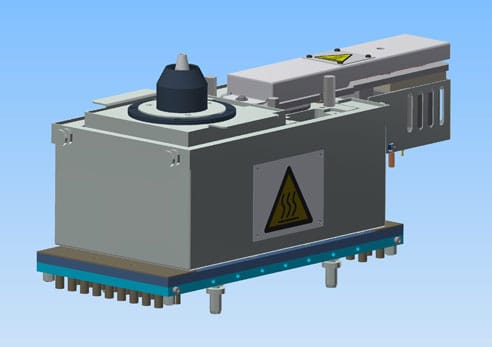
Mechanical Solder Pump
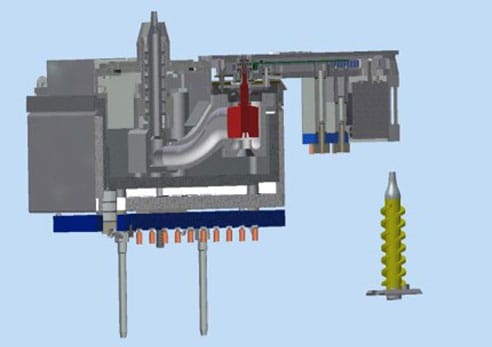
Mechanical Solder Pump
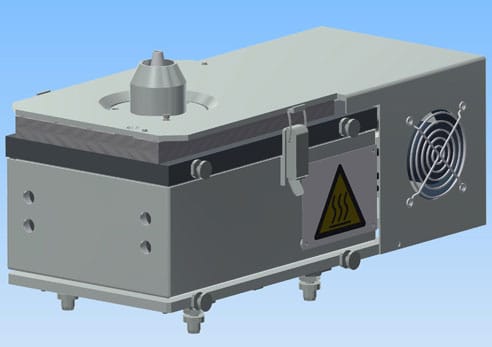
Magnetic Solder Pump
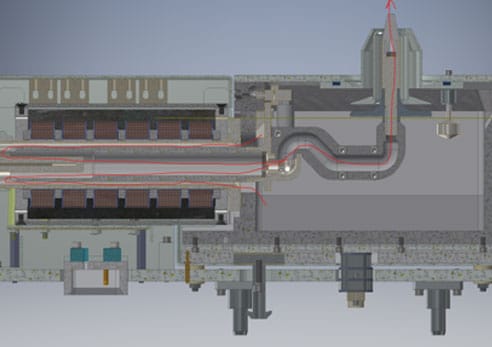
Magnetic Solder Pump
Solder Pumps
Pillarhouse International offer two types of solder pump technology, including the following:
- Mechanical Pump – Pillarhouse International’s typical solder pump technology.
- Magnetic Pump – Seamlessly interchangeable with mechanical pump.
